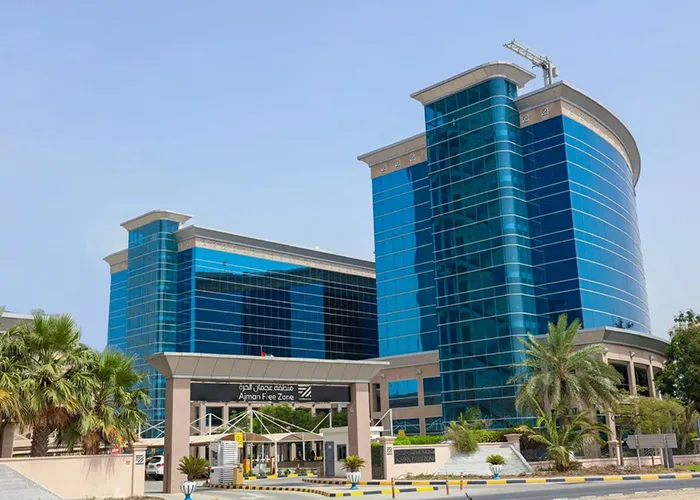
UAE Free Zones for startups and SMEs
High preference makes these UAE free zones strategic choices among startups and small to medium-sized enterprises (SMEs) hunting for quick, flexible as well as financially viable business ecosystems. The zones throw up great encouragement toward entrepreneurship provisioning simplified processes coupled with full foreign ownership plus tax-free benefits hence an ideal spot to start and grow companies from varied sectors.
These perks let new businesses and small firms keep their extra costs low while having full control of their money and work. With top financial advice, firms in UAE Free Zones can set up flexible accounting methods, track progress, and plan clearly. Be it income prediction or rule-following, the Free Zone setup backs a plan where wise money moves can be put into action smoothly.
Tips: Choosing a Business Category
Choosing between accounting, tax advisory, bookkeeping, or financial analysis as the primary business category in financial services can make a solid impact on long-term growth. Let market demand, regulatory trends, and your expertise decide which to prioritize. Certain niches face more competition but yield higher margins; others serve an underdog market yet have steady demand.
Changing tax laws, going digital, and wanting to see inside the business have made a strong push for specific financial help. This is how to make a good pick:
- Look up which financial services are hottest in your target Free Zone
- Weigh your skills, papers, and work strengths
- Watch for shifts in local tax laws and corporate rules to find new needs
- Think about giving small side helps like VAT tips or internal checks
- Think about how well you do when facing clients as opposed to doing backend tasks.
- Look at what others are offering to spot any missing services or industries that have not been served right.
- Pick a category that makes scaling up and adding more services simple for you.
- Include the tech tools needed and if you can use them.
Conversely, if you are more inclined toward rules and regulations as well as their interpretation, give tax advisory a shot. In simple words, balance what you can do with what is required by the market through the scalability of that particular niche within the supportive infrastructure of a UAE Free Zone.
Licensing, Cost & Setup Considerations
Setting up a financial consulting or accounting firm in a Free Zone falls under a simple but highly regulated process. Specific license categories per Free Zones falling under the umbrella of professional services-including consultancy, tax advisory, or auditing-are available.
- Choose between license types as financial consultancy, accounting services, or auditing
- Initial setup fees usually go from AED 12,000 up to AED 30,000
- Shared, flexi-desk and dedicated office options impact the cost of the license
- Approvals by some services from financial regulators or UAE authorities are required
- Business plans and professional credentials must be submitted
- Basic setup time is from 5 to 15 business days
- Policies in data protection have to be in compliance with cybersecurity and privacy laws locally
- You might have to pay annual renewal fees and deal with compliance audits depending on what kind of service you have.
Through prior planning and working within the regulatory framework, entrepreneurs can set up their firms efficiently and place themselves on a good foundation for success in the opportunity-rich and structured financial landscape of the UAE.
Bonus: Emerging categories to watch͏
Several new categories are building traction in the UAE as technology tries to reshuffle the landscape of finances. These up-and-coming sectors could potentially be very lucrative spaces for financial consultants to innovate, specialize in, or diversify their service offerings. Embracing solutions supported by technology will improve efficiency and place a firm in an adequate position concerning future demands that arise from modern businesses.
- Digital financial tools and apps, Little FinTechs
- AI-based platforms for live financial analysis
- Cloud bookkeeping for remote enterprises.
- AI tax filing programs merged with UAE taxation legislations
- Virtual CFO offerings for new businesses and small firms
- Blockchain auditing plus conformity solutions
With these trends, accountants can future-proof their practice to attract technically inclined customers while getting extra income within the evolving financial sector of the United Arab Emirates.
Conclusion
Expert financial consulting is at the heart of sustainable business growth, accompanied by clarity, compliance, and strategy. Firms take advantage of Free Zones in the competitive market of UAE, which are designed to easily support base foundations offering flexibility to entrepreneurs to launch and scale their financial services businesses. Be it accounting, tax advisory or financial planning, informed, compliant and tech-driven practitioners will always be successful in the long run.
The right business category and Free Zone choice will open doors for new opportunities while repositioning oneself as a trusted advisor in this dynamic financial landscape.
Frequently Asked Questions
Q1. Which Free Zone is best for accounting startups?
A: DMCC and DIFC are specifically designed for financial practices and accounting firms and provide more up-to-date and advanced regulatory frameworks.
Q2. Is it mandatory to have financial qualifications to start a consulting firm?
A: Yes, a majority of Free Zones require a prospective consultant to have a relevant degree or certification. Among these degrees and certifications clients usually recognize ACCA, CPA, or equivalent, as the most commonly accepted.
Q3. Can a financial consulting firm operate remotely from a Free Zone?
A: Yes, a good number of Free Zones do allow for this kind of arrangement of virtual offices and remote service models.